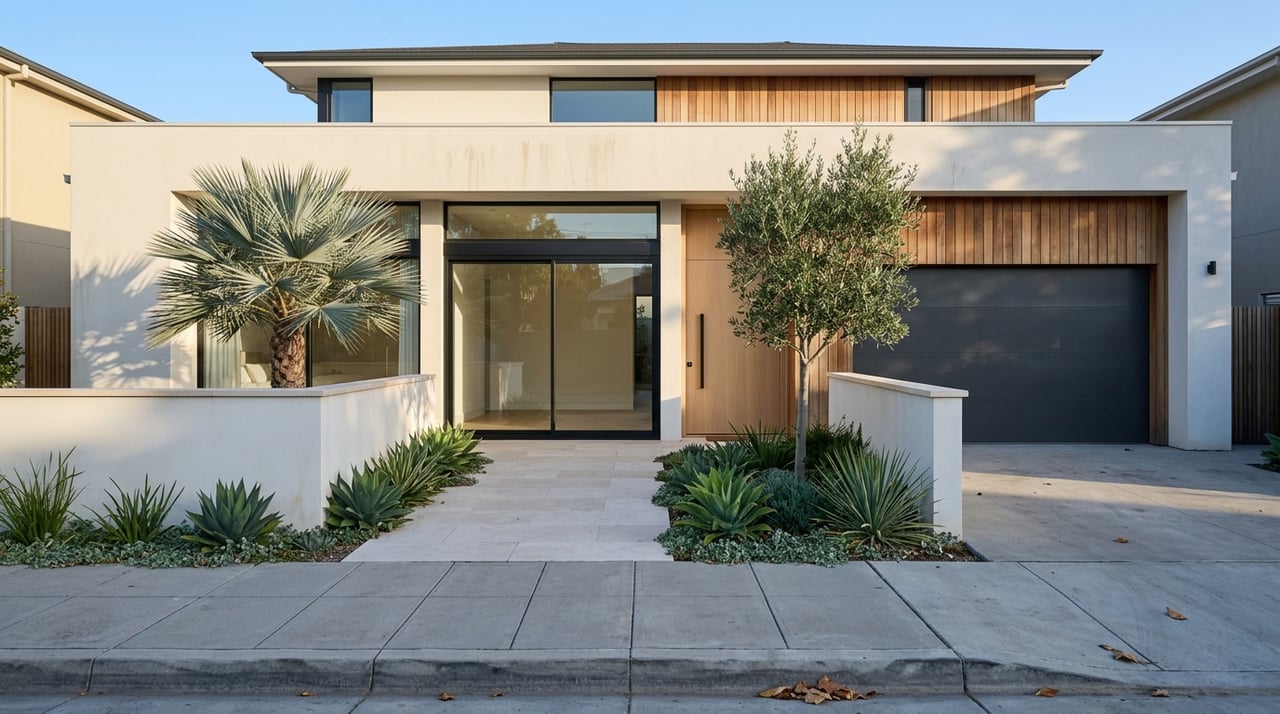
What It’s Really Like To Live In Santa Monica
July 2, 2026
July 2, 2026
Are you wondering whether Santa Monica feels like a laid-back beach town, a busy city neighborhood, or something in between? The honest answer is that it can feel like all three, depending on where you land. If you are thinking about moving here, this guide will help you understand the pace, housing, costs, and day-to-day lifestyle so you can decide whether Santa Monica fits the way you want to live. Let’s dive in.
Santa Monica covers just 8.3 square miles, but it packs in a lot of activity. The city reports that its daytime population swells to roughly 250,000 because of visitors, workers, and shoppers, while the Census Bureau estimates about 90,082 residents as of July 1, 2025.
That mix shapes the city’s personality. You get three miles of Pacific coastline, strong shopping and dining corridors, and a steady flow of people, all inside a relatively compact footprint. In real life, that means Santa Monica often feels energetic, convenient, and expensive.
One of the biggest surprises for newcomers is how different Santa Monica can feel from one pocket to the next. The city is organized around Downtown, Main Street, Montana Avenue, Pico Boulevard, and other major corridors like Wilshire, Lincoln, Ocean Avenue, and Ocean Park Boulevard.
So when someone says they live in Santa Monica, that alone does not tell you much about their day-to-day routine. Your experience can shift a lot depending on whether you are near the beach, close to Downtown, or farther inland.
North of Montana is generally described in city planning documents as one of the quietest and lowest-density parts of Santa Monica. The area is mostly made up of one- and two-story single-family homes on tree-lined streets.
Montana Avenue serves as the main commercial corridor here, with low-scale retail and restaurant uses. Nearby Wilshire-Montana has more apartments and condos mixed in, while the Northeast neighborhood remains mostly single-family with a smaller share of multifamily housing.
If you want a more residential feel without leaving Santa Monica, this part of the city often stands out. It tends to feel calmer than the beach and Downtown core.
Ocean Park sits south of Downtown and stretches from the beach to Lincoln Boulevard, between Dewey Street and Pico Boulevard. City documents describe a housing mix that still includes older beach cottages, bungalows, bungalow courts, and apartment houses.
Main Street is the area’s primary shopping district, and the city has supported outdoor dining, shopping, and active mobility here through Main Street Al Fresco. Ocean Park Boulevard also adds to the daily routine with public schools, libraries, commercial districts, Clover Park, wider sidewalks, bike lanes, and safer crossings.
This is one of the areas where Santa Monica’s beach lifestyle feels most woven into everyday living. You are close to the coast, but local errands and neighborhood routines still play a big role.
If you want the most urban version of Santa Monica, Downtown is it. The Third Street Promenade is the city’s signature pedestrian shopping street, and Santa Monica Place adds another major retail and dining hub nearby.
This area stays active thanks to shopping, restaurants, entertainment, and beach access. The Downtown Farmers Market also keeps the area lively, with more than 60 California farms on Saturdays.
For some people, that energy is a major plus. For others, it can feel busier and more visitor-oriented than they want for everyday life.
The inland and southeast parts of Santa Monica often feel more everyday-use oriented. Pico includes a mix of low- to medium-rise multifamily housing, commercial uses, and light industrial pockets.
Virginia Avenue Park is a major community anchor there, with sports courts, playgrounds, splash pads, a teen center, a fitness center, a weekly farmers market, and the Pico Branch Library. Mid-City leans toward low- and mid-rise multifamily housing plus medical and service uses, while Sunset Park is mostly modest single-family homes with some courtyard apartments and bungalow courts.
If you picture a more residential daily routine with local parks and services close by, these neighborhoods may feel more grounded and practical than the visitor-heavy parts of town.
Santa Monica stands out in Los Angeles for being more multimodal than many nearby communities. City planning materials describe it as walkable, bikeable, and accessible by public transit.
The Metro E Line connects Santa Monica to Downtown Los Angeles in under an hour, according to the city. Big Blue Bus also covers key corridors, including Main Street, Santa Monica Boulevard, Lincoln Boulevard, Montana Avenue, Pico Boulevard, UCLA and Westwood, Santa Monica College, and a connection from downtown Santa Monica to the LAX/Metro Transit Center.
That does not mean every household goes car-free. But it does mean you may have more options here than in many other parts of LA County.
Santa Monica has made a visible investment in biking infrastructure. The city reports that 119 miles of its 187-mile bike network had been built as of 2022, and it has been designated a Bike Friendly Community.
Projects like the Ocean Avenue protected route and the Expo Bike Path make it easier to connect Downtown, the beach, and points farther east. If you like the idea of biking to errands, the coast, or transit, Santa Monica supports that lifestyle better than many nearby areas.
In general, car-light living is most plausible near Downtown, Main Street, Montana Avenue, and the beach. Farther inland, or for households with packed weekly schedules, a car may still be part of the routine.
Santa Monica is not a one-style housing market. Depending on the neighborhood, you may find detached single-family homes, apartment buildings, condos, bungalow courts, older beach cottages, or newer mixed-use buildings.
North of Montana and much of the Northeast lean more toward detached homes. Wilshire-Montana, Downtown, Pico, and Mid-City tend to have more condos and apartments, while Ocean Park blends older coastal housing with denser residential options. Sunset Park stays comparatively low-rise and residential.
That variety is part of what makes Santa Monica appealing. You can find very different living environments within a small geographic area.
The pricing reality is important to understand upfront. Census data show a 2019-2023 median value of owner-occupied homes of $1,810,200, while the 2020-2024 median household income is $114,885.
Those numbers reflect a premium coastal market. They also help explain why many homes and households in Santa Monica are more compact, with the Census reporting an average household size of 1.88 persons.
If you are comparing Santa Monica with other Westside areas, cost will likely be a major part of your decision. The lifestyle can be hard to match, but entry costs are high.
One of the clearest benefits of living in Santa Monica is how easy it is to build outdoor time into your week. The city operates 32 parks covering more than 130 acres, and the beach itself is one of the biggest daily lifestyle perks.
The shoreline includes the Pier, the Annenberg Community Beach House, concessions, volleyball courts, Original Muscle Beach, playgrounds, and a walking path. Palisades Park, a 26-acre bluff-top park along Ocean Avenue, is another major part of local life.
Even if you are not at the beach every day, the coast tends to shape how the city feels. Walking, biking, park visits, and outdoor errands are part of the rhythm here.
Santa Monica has the kind of neighborhood structure where shopping streets can define your routine. Main Street, Montana Avenue, Downtown, Pico Boulevard, and other commercial corridors all create different versions of daily convenience.
Farmers markets are also a real part of local life. Main Street Farmers Market runs Sundays year-round, the Downtown Farmers Market runs on Saturdays, and the Promenade area includes markets on Wednesdays and Saturdays.
For many residents, that means weekends are not just about the beach. They are also about walking to coffee, picking up produce, and spending time in outdoor public spaces.
Santa Monica often works well for people who want beach access, neighborhood shopping streets, walkability, and transit options in one place. It can also appeal to buyers who want a range of housing types in a city with a strong outdoor lifestyle.
At the same time, it may be less appealing if you want a more secluded environment or a lower price point. The city’s visitor economy, compact footprint, and premium housing costs are part of the tradeoff.
The key is matching the right pocket of Santa Monica to your priorities. A quieter residential street, an urban condo near Downtown, or a beach-adjacent spot in Ocean Park can all deliver very different experiences.
If you are weighing a move to Santa Monica or trying to decide which part of the city fits your lifestyle best, Lauren Morelli can help you compare options with local insight and a clear strategy.
Stay up to date on the latest real estate trends.
Get assistance in determining current property value, crafting a competitive offer, writing and negotiating a contract, and much more. Contact me today.